
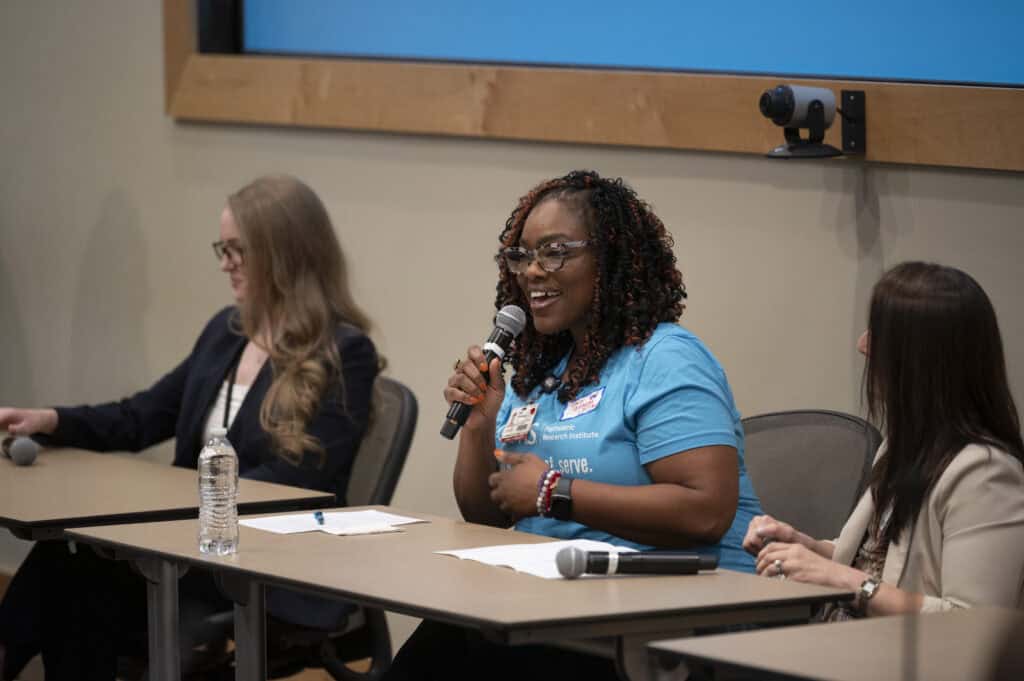
More than 80 students from 18 colleges across Arkansas and beyond explored career paths in behavioral health Oct. 24 at a University of Arkansas for Medical Sciences conference designed to address the state’s critical shortage of professionals in this field.
“Learn, Connect, Serve: Cultivating Arkansas’ Next Generation of Behavioral Health Leaders” was a free, daylong event at UAMS’ I. Dodd Wilson Education Building. It was led by faculty of the Psychiatric Research Institute, with the goal of inspiring students to consider careers in the many fields that make up behavioral health care.
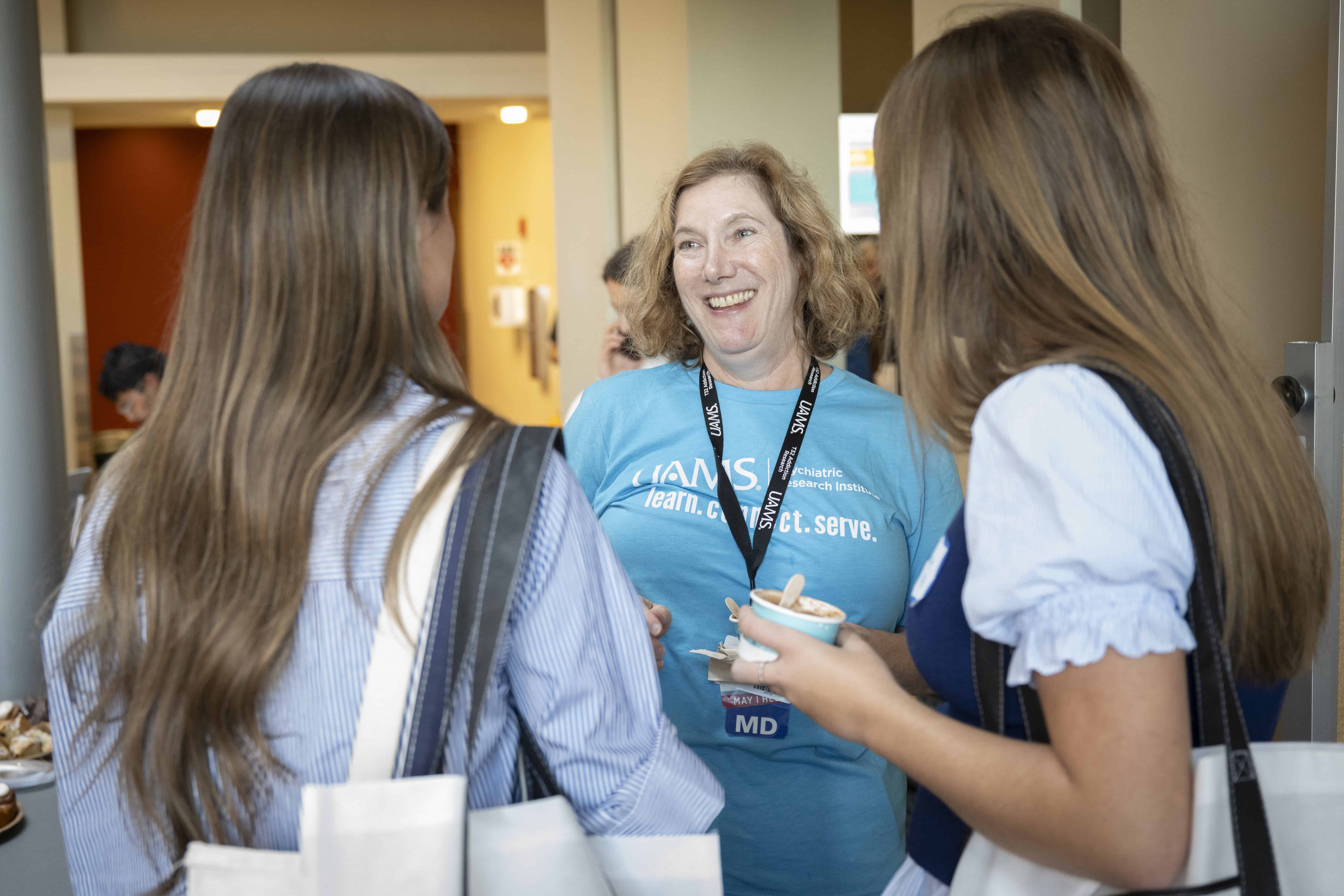
“When a need arises there are two choices: take action or ignore it. I chose to take action to address a need arising with college age students, undergrad and graduate level, needing guidance in this field,” said Isis Petway, LPC, who organized the conference. “Learn, Connect, Serve was founded to answer the question students have regarding next steps in one’s career trajectory while pursuing the degree and/or having already graduated and dealing with uncertainties. I wanted to create an environment where connections could take place, between students and seasoned professionals, in order to gain insight and understanding on becoming and being a behavioral health clinician.”
Attendees chose eight skill-building workshops led by practicing professionals, each focused on a different path in behavioral health. Topics ranged from research and clinical training to public health and policy. Two panel discussions featured students and clinicians sharing their own experiences, including the challenges and rewards of working in mental health care.
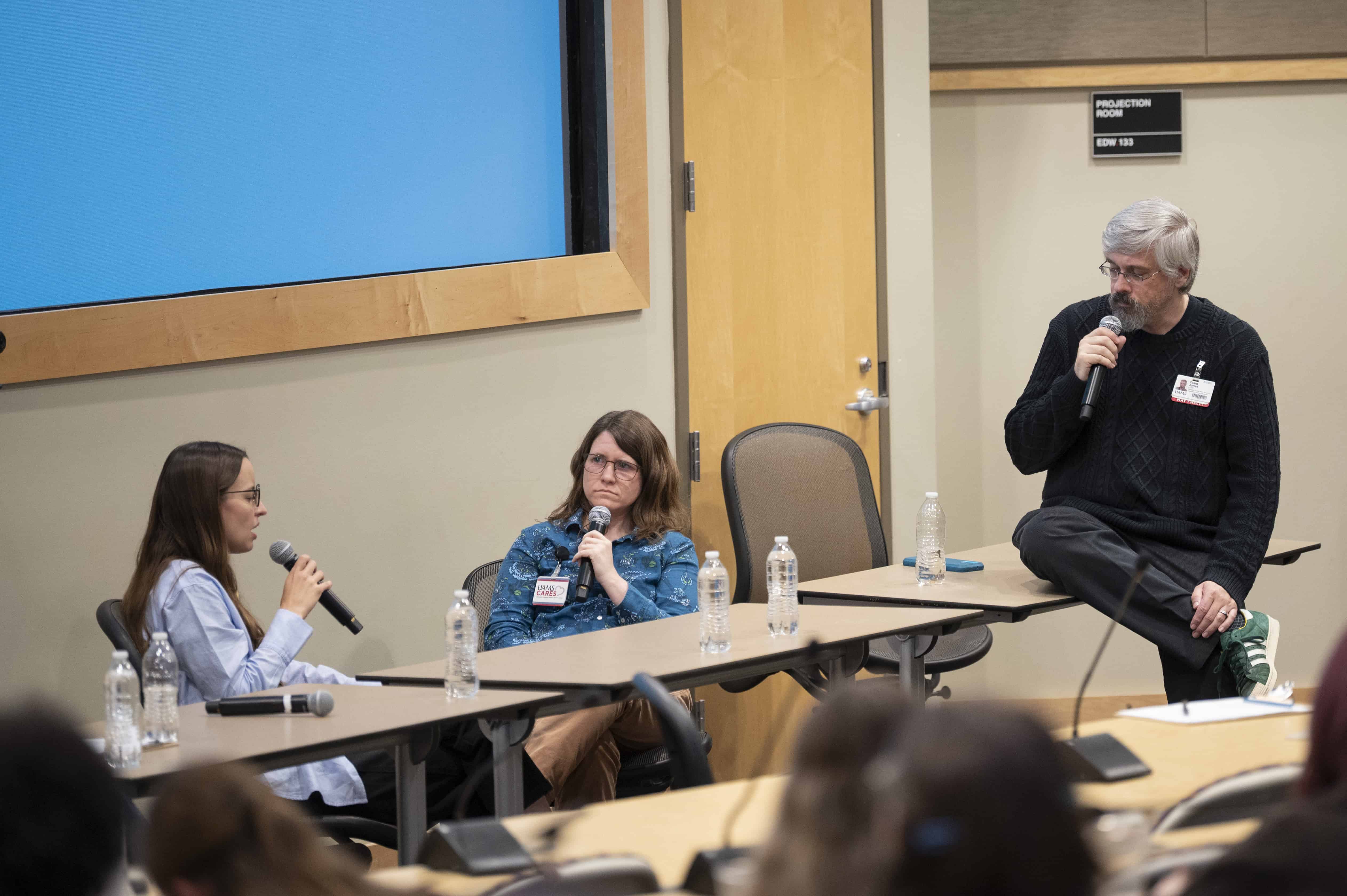
Funded by a UAMS Chancellor’s Circle grant, the conference also included a mock treatment team discussion, which showed how psychiatrists, nurses, social workers, counselors, and other professionals collaborate on patient care. The day closed with a networking event where students could meet peers with similar interests, and a poster session highlighting research by Psychiatric Research Institute faculty.
Information about academic requirements, certifications, licensing processes and graduate training options was also made available to the students.